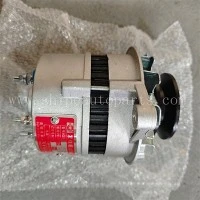
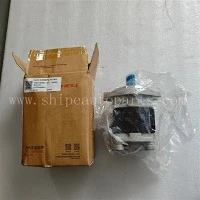
If you’re a fleet manager, forklift technician, or someone who works closely with HELI heavy-duty equipment, chances are you’ve crossed paths with the QDJ209S-1S starter motor. As a supplier that’s specialized in HELI forklift spare parts for over a decade, I’ve fielded hundreds of questions from customers who panic when they see an unfamiliar error code pop up on this specific starter. The QDJ209S-1S is the workhorse starter for 2-3 ton HELI forklifts, built to handle constant heavy start cycles in warehouses, construction yards, and loading docks. But like any mechanical-electronic component, it’s not immune to glitches—and knowing what those error codes mean can save you hours of downtime, avoid unnecessary part replacements, and keep your forklifts running smoothly.
Let’s break down the most common error codes for the QDJ209S-1S, what triggers them, and how to address them. I’ve organized these codes based on the frequency I see them in service calls, so you can prioritize the issues that are most likely to affect your equipment.
Error Code E01: Overcurrent Protection Triggered
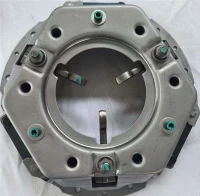
E01 is the most common error code we see, and it almost always points to a high draw of electrical current that the starter’s built-in protection circuit kicks in to shut down. For the QDJ209S-1S, which is rated for 12V and has a maximum current draw of 900A under normal cranking, overcurrent can happen for a few specific reasons. The most frequent cause is a seized engine or transmission connected to the starter—if the engine’s crankshaft is stuck (from low oil, a faulty piston, or a locked clutch), the starter has to work much harder than designed, pulling more current than it safely can. Another common culprit is a worn clutch or clutch pressure plate that’s not disengaging properly. If you’re working on a HELI CPC30 or CPCD35 3.5 ton forklift, the clutch pressure plate for HELI 3.5 Ton Manual Forklift CPC30 CPCD35 can be a point of failure here; a warped or faulty plate doesn’t release the engine from the transmission, so the starter has to turn both the engine and a locked driveline, leading to overcurrent.
I always recommend technicians start with a quick visual check before jumping to replace the starter: disconnect the battery, check the engine oil level to rule out low lubrication causing friction, and test the clutch operation. If the clutch is disengaging smoothly and the engine turns freely by hand, the next step is to inspect the wiring for frayed or corroded connections—loose terminals can cause voltage drops that force the starter to draw more current to compensate. In rare cases, E01 can mean a faulty internal relay in the QDJ209S-1S itself, but that’s only after all other external checks come back clear.
Error Code E02: Low Voltage Supply
E02 typically indicates that the starter isn’t receiving enough voltage from the forklift’s battery or charging system to function properly. The QDJ209S-1S relies on a consistent 12V supply during cranking; anything below 10.5V will trigger this error. The most common cause here is a weak or aging battery—forklifts that sit idle for long periods, or are used in cold environments, often have batteries that can’t hold a full charge, leading to low voltage during start attempts. Another less obvious cause is a faulty charging alternator that’s not replenishing the battery while the engine runs.
We also see E02 pop up when the forklift’s electrical system has hidden draw: a faulty headlight, a leaking hydraulic solenoid, or even corroded ground connections between the battery and the frame. A quick voltage test with a multimeter is the easiest way to confirm this: with the engine off, the battery should read 12.6V or higher; when cranking, it should drop to no lower than 10V. If it drops below that, you’re dealing with either a weak battery, a bad alternator, or high resistance in the wiring. In some cases, if the battery is more than 3 years old, a replacement is far more cost-effective than troubleshooting other parts.
Error Code E03: Overheat Protection
Forklifts work in tough conditions, and the QDJ209S-1S is no exception. E03 means the starter’s internal temperature sensor has detected it’s running too hot, triggering a shutdown to prevent permanent damage. Most often, this happens when a forklift is repeatedly started in a short period—like when a driver is loading and unloading pallets in a tight space, cranking the engine three or four times in 10 minutes. The starter doesn’t have time to cool down between uses, so its internal temperature climbs past the safe threshold. This is a temporary issue, not a permanent part failure—wait 15 to 20 minutes, and the error will clear on its own, as long as there’s no underlying mechanical issue causing extra heat.
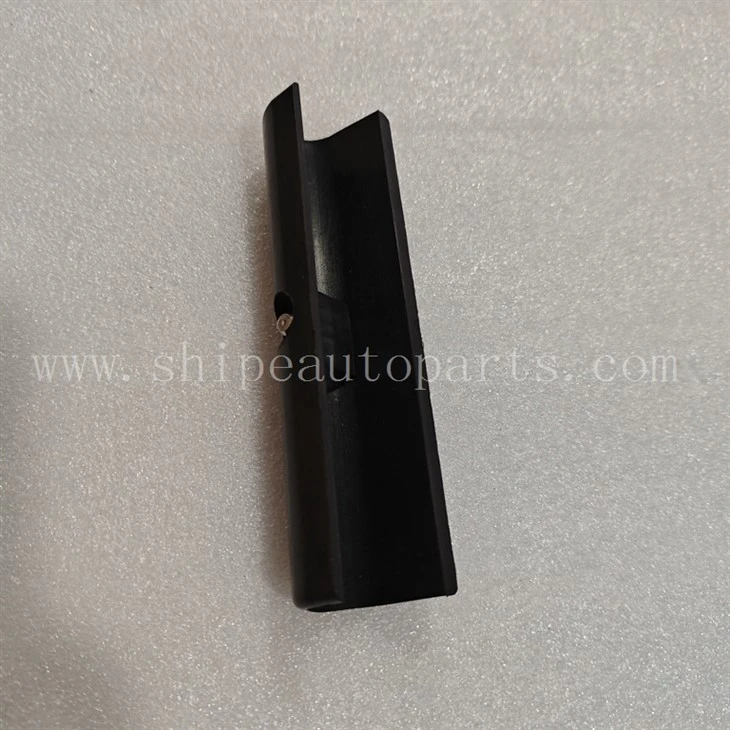
But if E03 keeps appearing even when you’re giving the starter time to cool, there’s likely an underlying problem. It could be a faulty cooling fan in the forklift’s engine compartment, or a worn component that’s making the starter work harder, generating extra heat. For HELI forklifts, another common cause here is a misaligned driveline: if the transmission and engine aren’t lined up correctly, the starter has to work at an angle, leading to increased friction and heat. In some cases, a worn forklift sideshifter slider pad wear pad,HLCC-CYHK can contribute to misalignment if the sideshifter is not functioning as designed, putting extra stress on the driveline.
Error Code E04: Internal Starter Motor Fault
E04 is the most serious error code for the QDJ209S-1S, and it means there’s an internal mechanical or electrical failure within the starter itself. This can range from a worn armature or brush set, to a faulty solenoid, to a broken gear that engages with the engine’s flywheel. Unlike the other codes, E04 is not usually caused by external issues—though sometimes a neglected maintenance task can lead to it. For example, if you don’t replace the rear king pin repair kit for HELI Forklift, Forklift Rear Axle Kingpin Overhaul Kit on time, the front wheels can misalign, putting extra strain on the engine and starter during cranking. Over months, that extra strain can wear out the starter’s internal components.
If you see E04, the best course of action is to have the starter inspected by a professional, or if it’s older than 5 years, replace it with a genuine QDJ209S-1S starter. Attempting to repair internal components yourself can lead to more damage, and cheap aftermarket starters often don’t have the same built-in protection circuits that prevent the error codes in the first place. That said, it’s always worth a quick check of the wiring and connections before replacing the starter—sometimes a loose internal wire can trigger E04, and a simple re-solder can fix the issue for a fraction of the cost of a new starter.
Error Code E05: Flywheel Engagement Failure
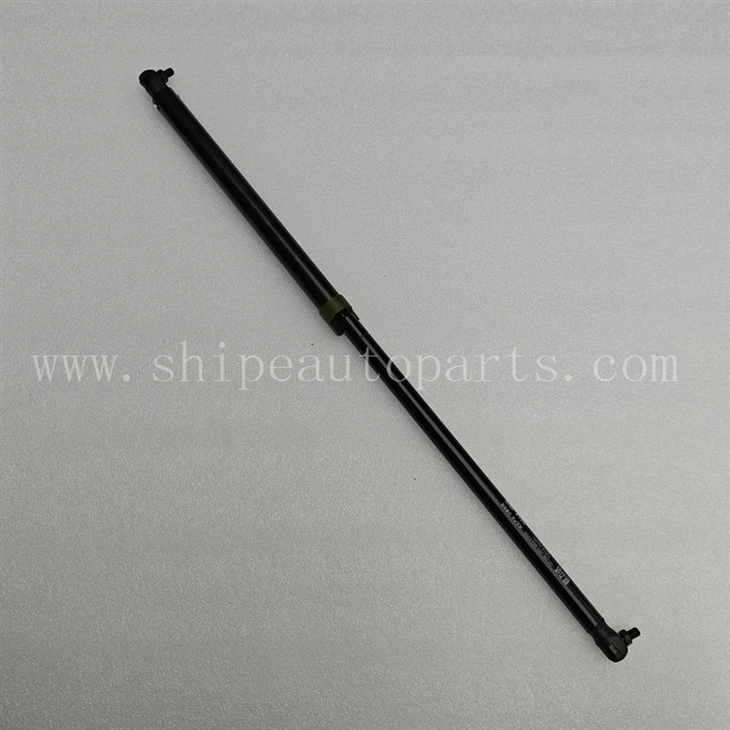
E05 is specific to the starter’s gear engagement mechanism, which is designed to slide out and mesh with the engine’s flywheel when the starter is activated. If the gear doesn’t engage properly, or if it gets stuck halfway, the QDJ209S-1S will trigger E05. The most common cause here is a worn starter drive gear (the pinion gear) or a damaged flywheel ring gear. Over time, the pinion gear’s teeth wear down from repeated engagement, so they don’t mesh with the flywheel’s teeth cleanly, leading to a grinding noise and the error code. In some cases, the issue is with the fork’s gas spring hood strut (K9FL6-42281) or other front-end components: if the hood is misaligned or the strut is faulty, it can restrict access to the starter, making it harder to inspect the drive gear, though that’s a less common link.
Another frequent cause of E05 is low lubrication on the starter’s drive shaft. The gear needs a small amount of grease to slide in and out smoothly; if it’s dried out, the gear can’t extend to engage the flywheel, triggering the error. If you’re troubleshooting E05, start by checking the drive gear for wear and the condition of the flywheel’s ring gear—if the flywheel has chipped or missing teeth, you’ll need to repair or replace the flywheel as well, not just the starter.
Error Code E06: Overcrank Limit Reached
E06 is a safety feature that prevents the starter from running for too long, which can damage both the starter and the engine. The QDJ209S-1S is programmed to shut down after 10 seconds of continuous cranking to avoid overheating or wearing out components. If you see E06, it means the engine didn’t start within that 10-second window, so the starter stopped itself. The causes here are similar to E01: a seized engine, a weak battery, or a faulty fuel system that’s not delivering enough fuel to the engine.
This is one of the easiest codes to address because it’s a clear sign that the cranking process is being interrupted before it can start the engine. Before attempting another start, wait a minute, check the fuel level and the battery voltage, and make sure the clutch is fully disengaged (for manual forklifts). If it still takes multiple tries to start the engine, you’re dealing with a deeper issue, like a faulty fuel injector or a clogged air filter, not a problem with the starter itself.
As a supplier of genuine HELI spare parts, I’ve helped hundreds of customers resolve QDJ209S-1S error codes by focusing on these common causes, and many of those fixes don’t even require a new starter. Regular maintenance is the key to avoiding most of these errors: keep your battery charged, check wiring connections quarterly, and replace worn parts like clutch plates, bushing, or pin kits before they cause extra strain on your starter.
If you’re seeing an error code that’s not listed here, or you’re not sure how to diagnose the issue, our team can help. We stock a full range of genuine QDJ209S-1S starters and compatible spare parts for HELI forklifts, including the parts I linked earlier: clutch pressure plates, slider pads, king pin repair kits, gas spring struts, and mast bushings. Our technicians can also walk you through troubleshooting steps over the phone, so you can avoid unnecessary downtime. Contact our team today to discuss your needs, whether you’re looking for a replacement starter, a specific spare part, or expert advice on maintaining your QDJ209S-1S.
References
- HELI Forklift Technical Service Manual, Chapter 7: Electrical Systems, Starter Motor Specifications, HELI Industrial Vehicles Co., Ltd., 2021
- Forklift Starter Motor Fault Diagnosis Guide, Industrial Truck Association, 2022
- QDJ209S-1S Starter Motor Product Datasheet, Approved Automotive Electrical Components, 2020
- Common HELI Forklift Spare Part Failure Analysis, Global Material Handling Equipment Association, 2023